
Cannoli Bars are an absolute game-changer for anyone who adores the classic Italian pastry but perhaps shies away from the intricate process of frying shells and meticulous filling. I’m thrilled to share a recipe that captures all the beloved flavors and textures of traditional cannoli in a delightfully convenient, sliceable form. This dish truly transforms a beloved but time-consuming treat into something effortlessly enjoyable for any occasion.
Embrace the Essence of Sicily, Simplified!
Originating from Sicily, traditional cannoli have graced Italian tables for centuries, particularly during Carnival season, offering a crispy, fried shell generously filled with a sweet, creamy ricotta mixture, often studded with chocolate chips or candied fruit. While the authentic version holds a special place in my heart, I understand that time and effort can be significant hurdles. That’s precisely why these Cannoli Bars have become a cherished favorite in my kitchen and among my friends, offering a fantastic shortcut without compromising on taste.
People absolutely adore this dish not just for its incredible taste – the perfect balance of a rich, subtly sweet ricotta filling with a hint of citrus and a delightful, almost cookie-like crust – but also for its sheer convenience. It’s the ideal solution for serving a crowd without the individual assembly, delivering that iconic taste, texture, and Mediterranean charm in every single square. Get ready to impress with minimal fuss and maximum flavor!

Ingredients:
For the Crust:
- 1 ½ cups (about 200g) vanilla wafer crumbs – This usually takes one standard 11 oz box of vanilla wafers. I love the subtle sweetness and crunch they bring to the base of our Cannoli Bars.
- ½ cup (1 stick or 113g) unsalted butter, melted – Using unsalted butter gives us more control over the overall saltiness of the dish.
- ¼ cup (50g) granulated sugar – Just a touch to enhance the sweetness of the crust.
- ½ teaspoon ground cinnamon – A classic cannoli flavor profile, even in the crust, adds a lovely warmth.
- Pinch of salt – Helps to balance the sweetness and brings out the flavor of the other ingredients.
For the Cannoli Filling:
- 32 ounces (about 900g) whole milk ricotta cheese – This is the star of our Cannoli Bars! Whole milk ricotta is essential for a rich, creamy texture. Don’t skimp on this.
- 1 cup (120g) powdered sugar (confectioners’ sugar), sifted – Sifting prevents lumps, ensuring a silky smooth filling.
- 1 teaspoon pure vanilla extract – A good quality vanilla makes all the difference here.
- ½ teaspoon orange zest (from about ½ a small orange) – This is my secret weapon! It brightens the entire flavor of the filling, mimicking traditional cannoli.
- ¼ teaspoon ground cinnamon – Another touch of warmth that marries beautifully with the ricotta.
- 1 ½ cups (about 250g) mini chocolate chips, plus more for garnish – Mini chips ensure you get chocolate in every bite without them sinking too much or becoming overwhelming.
- 1 cup (240ml) heavy cream, very cold – Whipped cream will be folded into the ricotta mixture to create a lighter, airier, and more stable filling for our Cannoli Bars.
For the Garnish:
- ¼ cup chopped pistachios – Adds a beautiful pop of color and a lovely textural contrast.
- ¼ cup additional mini chocolate chips – For that extra chocolatey visual appeal.
- Optional: Candied orange peel or finely chopped maraschino cherries – If you want to go the extra mile for traditional cannoli flair!
Preparing the Crust:
- Preheat and Prepare: My first step is always to get the oven ready and the pan lined. I preheat my oven to 350°F (175°C). Then, I grab a 9×13-inch baking dish and line it with parchment paper, making sure to leave an overhang on the longer sides. This parchment paper sling is truly a game-changer! It will make lifting the finished Cannoli Bars out of the pan incredibly easy, allowing for neat, clean cuts later on. I might even lightly grease the pan before placing the parchment to help it stick, preventing it from sliding around while I press in the crust.
- Crush Those Wafers: Now for the crust! I usually take my vanilla wafers and crush them into fine crumbs. You have a few options here: you can use a food processor, which is super quick and efficient, or you can place them in a large Ziploc bag and crush them with a rolling pin. I prefer the food processor for consistent, fine crumbs, ensuring a uniform crust. Aim for a texture similar to fine sand, without any large chunks. I then transfer these crumbs to a medium-sized mixing bowl.
- Combine Crust Ingredients: To the bowl with the vanilla wafer crumbs, I add the granulated sugar, ground cinnamon, and a pinch of salt. I give these dry ingredients a good whisk or stir to ensure everything is evenly distributed. Next, I pour in the melted unsalted butter. I like to use a fork or a spatula to mix everything until the crumbs are thoroughly moistened and resemble wet sand. Every single crumb should be coated with butter; this is crucial for a firm, cohesive crust. If it feels too dry, you might need to add a tiny bit more melted butter, but typically, the specified amount is perfect.
- Pressing the Crust: I then pour the crumb mixture into my prepared 9×13-inch baking dish. Using the bottom of a flat-bottomed glass or a measuring cup, I firmly press the crumbs evenly into the bottom of the pan. The goal here is a compact, uniform layer. I pay extra attention to the corners and edges to ensure the crust is consistent in thickness across the entire pan. A well-pressed crust is less likely to crumble when you cut into your Cannoli Bars. Take your time with this step!
- Bake the Crust: Once pressed, I slide the pan into the preheated oven. I bake the crust for about 8-10 minutes, or until it’s lightly golden brown around the edges and fragrant. This quick bake helps to set the crust, giving it a lovely crispness and preventing it from becoming soggy once the filling is added. When it’s done, I carefully remove it from the oven and set it aside on a wire rack to cool completely. It’s important for the crust to be cool before adding the filling; otherwise, the filling might melt or become oily.
Making the Cannoli Filling:
- Drain the Ricotta – This is Non-Negotiable!: This is arguably the most critical step for achieving a proper cannoli filling texture. Ricotta cheese, especially whole milk ricotta, contains a lot of excess water. If you don’t drain it, your Cannoli Bars filling will be watery, loose, and will not set correctly. I usually start this process several hours ahead, or even the night before. I line a fine-mesh sieve with a few layers of cheesecloth or a clean kitchen towel. I then spoon all 32 ounces of whole milk ricotta cheese into the lined sieve. I place the sieve over a large bowl (to catch the liquid) and put it in the refrigerator. I let it drain for at least 4 hours, but ideally overnight (8-12 hours). You’ll be amazed at how much liquid comes out! The longer it drains, the thicker and creamier your ricotta will be. Once drained, I discard the liquid and transfer the thick, dry ricotta to a large mixing bowl. It should be significantly firmer and less wet.
- Flavoring the Ricotta: To the drained ricotta, I add the sifted powdered sugar, pure vanilla extract, fresh orange zest, and ground cinnamon. I use an electric mixer (either a stand mixer with a paddle attachment or a hand mixer) and beat the mixture on medium speed until it’s smooth and creamy. This usually takes about 2-3 minutes. I scrape down the sides of the bowl as needed to ensure everything is fully incorporated. I’m looking for a homogenous, lump-free mixture. Taste it at this stage! If you want it sweeter, you can add a tablespoon or two more powdered sugar.
- Whip the Heavy Cream: In a separate, very clean, and preferably chilled mixing bowl, I pour in the cold heavy cream. Using an electric mixer with a whisk attachment, I beat the heavy cream on medium-high speed until stiff peaks form. This means that when you lift the whisk, the cream stands up straight. It’s important not to over-whip it, or it will become grainy. Just stiff enough to hold its shape. The cold temperature of the cream and bowl helps immensely in achieving stiff peaks quickly.
- Fold in the Chocolate Chips: Now it’s time to add the mini chocolate chips to the ricotta mixture. I gently fold them in using a rubber spatula until they are evenly distributed. I always use mini chocolate chips for Cannoli Bars because they integrate better and provide a more even distribution of chocolate in every bite, without creating large empty pockets.
- Combine Ricotta and Whipped Cream: Finally, for the ultimate creamy texture, I gently fold the whipped heavy cream into the ricotta mixture. I do this in two additions. I add about half of the whipped cream to the ricotta mixture and fold it in with a rubber spatula until just combined. Then I add the remaining whipped cream and fold until no streaks of white remain, being careful not to deflate the whipped cream. The goal is to lighten the ricotta mixture and make it incredibly airy and luscious without losing its volume. This creates the perfect balance of richness and lightness that makes these Cannoli Bars so irresistible.
Assembling and Chilling the Cannoli Bars:
- Layer the Filling: Once my crust is completely cooled and my cannoli filling is ready, I carefully spoon the filling over the cooled crust in the prepared baking dish. I use an offset spatula or the back of a spoon to spread the filling evenly across the entire surface of the crust. I want a nice, thick, uniform layer of that delicious cannoli filling. Take your time to ensure it’s smooth and level, reaching all the way to the edges.
- Garnish Time!: This is where the Cannoli Bars start to look really appealing! I sprinkle the extra mini chocolate chips, chopped pistachios, and any optional candied orange peel or chopped maraschino cherries evenly over the top of the cannoli filling. I might gently press them down a tiny bit just so they adhere to the filling. The visual appeal of these garnishes really makes the bars pop and hints at the delightful flavors within.
- Chill, Chill, Chill!: This is another crucial step that cannot be rushed. Once garnished, I cover the baking dish loosely with plastic wrap and transfer it to the refrigerator. The Cannoli Bars absolutely need to chill for a minimum of 4-6 hours, but ideally overnight. Chilling allows the filling to firm up properly, making the bars easy to cut and ensuring a stable, delicious texture. It also allows the flavors to meld and deepen, which is a wonderful benefit. Patience truly is a virtue here!
Serving and Storage Tips:
- Cutting the Bars: Once thoroughly chilled, I carefully use the parchment paper overhang as a sling to lift the entire slab of Cannoli Bars out of the baking dish and onto a cutting board. This makes cutting so much easier and cleaner. Using a sharp knife, I wipe the blade clean between each cut to ensure neat, precise slices. I typically cut them into 12-16 squares or rectangles, depending on how large I want each serving to be.
- Serving Temperature: These Cannoli Bars are best served cold, straight from the refrigerator. The firm, creamy texture is at its peak when thoroughly chilled. If you let them sit out at room temperature for too long, the filling will soften, and they won’t hold their shape as well.
- Storage: Any leftover Cannoli Bars should be stored in an airtight container in the refrigerator. They will keep beautifully for up to 3-4 days. While they are still delicious on day 2 or 3, I find they are best enjoyed within the first 24-48 hours when the crust is at its crispest. I generally don’t recommend freezing these bars, as the ricotta filling can change texture upon thawing, becoming a bit grainy or watery. Always keep them refrigerated until just before serving.
- Making Ahead: These Cannoli Bars are a fantastic make-ahead dessert, perfect for parties or gatherings! I often prepare them the day before I plan to serve them, allowing for a full overnight chill, which guarantees the best possible texture and flavor development. This also takes the stress out of last-minute dessert preparations.

Conclusion:
Well, my friends, we’ve reached the sweet finale of our culinary journey, and I genuinely hope you’re as excited as I am about the prospect of bringing this incredible dessert to life in your own kitchen! From the very first bite, I knew this recipe was something special, a true game-changer in the world of accessible, yet utterly gourmet, treats. Why is it a must-try, you ask? Because it effortlessly delivers all the iconic flavors and textures of a classic Italian cannoli – that rich, creamy ricotta filling, the delicate crunch, the hint of citrus and spice – but in a format that’s so much simpler and less intimidating to create. No fiddly frying of shells, no special equipment needed, just pure, unadulterated dessert bliss achievable by any home baker. It truly is the perfect marriage of traditional taste and modern convenience, making it ideal for everything from a casual family dessert to an elegant party spread.
The magic of these bars lies in their ability to transport you straight to a bustling Italian bakery with minimal effort. You’re not just baking a dessert; you’re crafting an experience. The satisfying snap of the crust, whether it’s a buttery graham cracker base or a delicate shortbread, perfectly contrasts the smooth, ethereal sweetness of the ricotta cream. Each bite is a symphony of textures and flavors, from the delightful crunch of chocolate chips or candied fruit to the subtle warmth of cinnamon. It’s a harmonious balance that truly encapsulates the spirit of its inspiration. Trust me when I say, once you taste how utterly delicious and surprisingly straightforward these
Cannoli Bars
are, you’ll wonder how you ever lived without them in your repertoire. They are a testament to the idea that some of the best culinary delights don’t have to be the most complicated.
Now, let’s talk about enjoying these beauties! While they are absolutely divine enjoyed simply as they are, fresh from the fridge, don’t hesitate to elevate the experience. Imagine a cozy afternoon, a steaming mug of your favorite coffee or a delicate cup of espresso, perfectly complemented by the creamy, crunchy delight of these bars. They make an exceptional addition to any dessert platter, especially when adorned with a dusting of powdered sugar, a sprinkle of miniature chocolate chips, or a scattering of vibrant chopped pistachios. For a truly decadent touch, you could serve them with a scoop of vanilla bean gelato or a drizzle of a fruit coulis – perhaps raspberry or cherry – adding another layer of flavor and visual appeal. They also hold up wonderfully for potlucks or picnics, making them a fantastic portable treat that’s guaranteed to impress. Don’t underestimate their power as the perfect finale to a hearty Italian meal, a lighter, yet equally satisfying alternative to heavier desserts.
And for those of you who love to personalize your creations, these bars are incredibly versatile! Feel free to experiment with different flavor profiles. A little extra orange or lemon zest can brighten the ricotta filling significantly, offering a lovely citrusy zing. You could swap out the mini chocolate chips for finely chopped dark chocolate, white chocolate, or even a mix of both. For a nutty twist, fold in toasted chopped pistachios, almonds, or walnuts into the filling, or press them into the crust for added texture. For an adult-only version, a tablespoon of rum, Marsala wine, or an orange liqueur like Grand Marnier can be folded into the ricotta mixture for an extra layer of sophisticated flavor. If you’re catering to dietary needs, a gluten-free cookie crust works beautifully, and with a few simple substitutions, you could even explore a vegan-friendly version using a plant-based cream cheese and ricotta alternative. The possibilities are truly endless, allowing you to tailor this dessert to your exact preferences and unleash your inner pastry chef.
Don’t be afraid to get creative and make this recipe truly your own!
So, my dear fellow food lovers, I implore you: clear your calendar, gather your ingredients, and set aside some time this week to whip up a batch of these extraordinary treats. I promise you, the reward of that first bite, the satisfied smiles of your family and friends, and the sheer joy of creating something so utterly delicious will be more than worth the minimal effort. This recipe is not just about making a dessert; it’s about making memories, sharing joy, and savoring the simple pleasures of a homemade treat. Once you’ve made them, please come back and share your experience with me! I absolutely adore hearing about your successes, your clever variations, and seeing your beautiful creations. Your feedback and stories are what make this community so vibrant and inspiring. Go forth, bake, and enjoy every single delightful crumb!
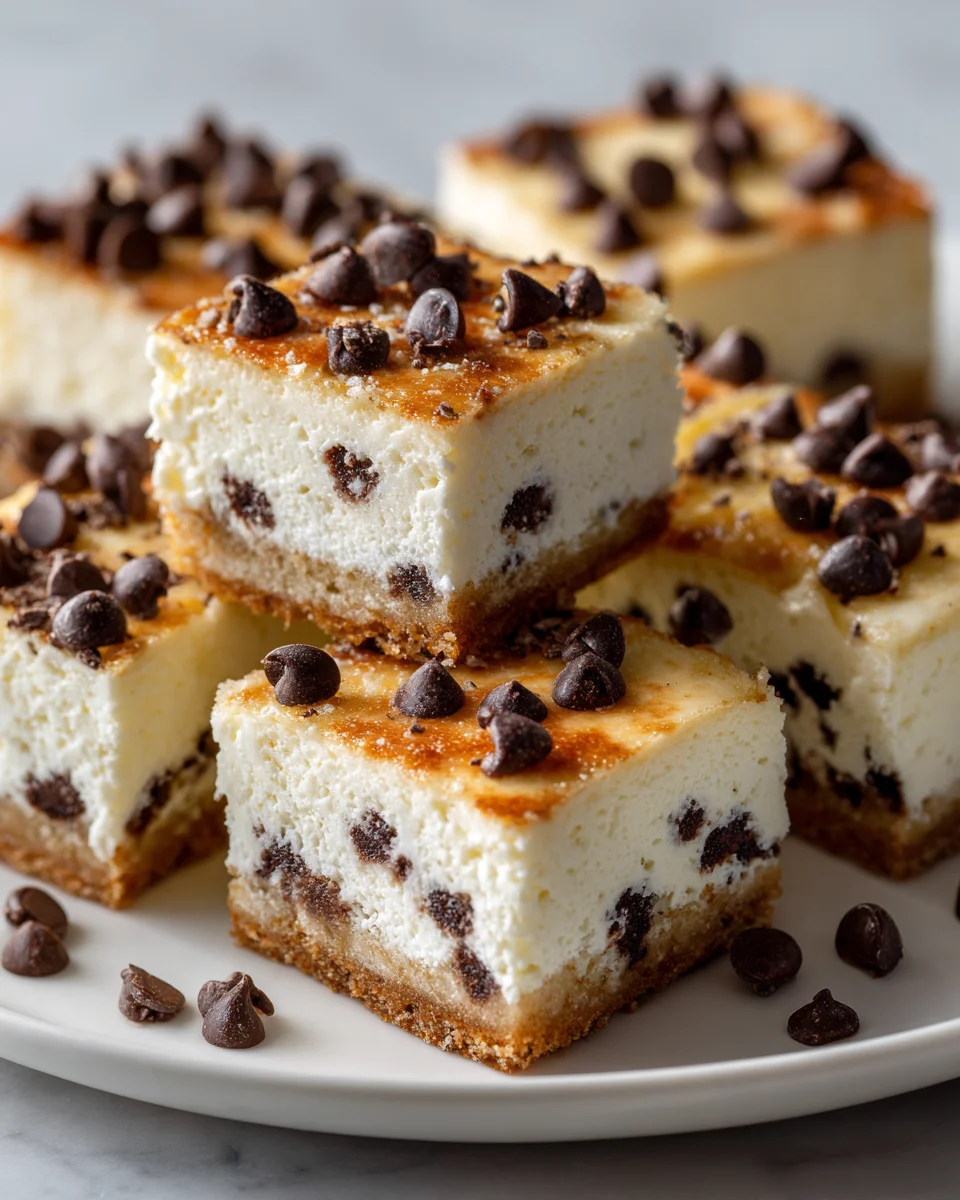
Cannoli Bars
These Cannoli Bars capture all the beloved flavors and textures of traditional cannoli in a delightful, convenient, sliceable form, featuring a creamy ricotta and cream cheese filling baked on a graham cracker crust, perfect for any occasion.
Ingredients
-
1 ½ cups (145 grams) graham cracker crumbs
-
1 teaspoon cinnamon (for crust)
-
4 tablespoons (55 grams) granulated sugar (for crust)
-
7 tablespoons (100 grams) salted butter, melted (add ¼ teaspoon of salt if using unsalted butter)
-
½ cup plus 2 tablespoons (135 grams) granulated sugar (for filling)
-
1 orange, zested
-
¾ cup (150 grams) whole milk ricotta, strained
-
8 oz (220 grams) cream cheese, brick style, full fat, room temperature
-
2 teaspoons vanilla extract (for filling)
-
2 large eggs, room temperature
-
1 cup (220 grams) heavy cream
-
3 tablespoons powdered sugar (for whipped topping)
-
½ teaspoon vanilla extract (for whipped topping)
-
½ cup mini chocolate chips
-
¼ cup chopped pistachios
Instructions
-
Step 1
Preheat your oven to 350°F (175°C). Line a 9×13-inch baking dish with parchment paper, leaving an overhang on the longer sides for easy lifting. In a medium bowl, combine the graham cracker crumbs, 1 teaspoon cinnamon, and 4 tablespoons granulated sugar. Pour in the melted butter and mix until all crumbs are thoroughly moistened. Press the mixture firmly and evenly into the bottom of the prepared baking dish. Bake for 8-10 minutes, or until lightly golden and fragrant. Remove from oven and let cool completely on a wire rack. -
Step 2
This step is critical for a proper filling texture. Line a fine-mesh sieve with a few layers of cheesecloth or a clean kitchen towel. Spoon the ¾ cup (150 grams) whole milk ricotta cheese into the lined sieve. Place the sieve over a bowl and refrigerate for at least 4 hours, or ideally overnight (8-12 hours), to drain excess liquid. Discard the liquid and transfer the thickened ricotta to a large mixing bowl. -
Step 3
To the drained ricotta, add the 8 oz (220 grams) cream cheese, ½ cup plus 2 tablespoons (135 grams) granulated sugar, 1 orange zest, and 2 teaspoons vanilla extract. Using an electric mixer, beat on medium speed until smooth and creamy, scraping down the sides of the bowl as needed. Add the 2 large eggs, one at a time, mixing on low speed until just combined after each addition. Be careful not to overmix once the eggs are added. -
Step 4
Pour the prepared ricotta-cream cheese filling evenly over the cooled graham cracker crust. Place the baking dish back into the preheated 350°F (175°C) oven and bake for 30-40 minutes, or until the edges are set and the center has only a slight jiggle. The filling should appear mostly firm. Remove from the oven and let cool completely on a wire rack. -
Step 5
Once completely cooled, cover the baking dish loosely with plastic wrap and transfer it to the refrigerator. Chill for a minimum of 4-6 hours, but ideally overnight, to allow the filling to firm up properly and flavors to meld. This step is essential for clean cuts and optimal texture. -
Step 6
In a separate, very clean and chilled mixing bowl, pour in the 1 cup (220 grams) cold heavy cream. Add 3 tablespoons powdered sugar and ½ teaspoon vanilla extract. Using an electric mixer with a whisk attachment, beat on medium-high speed until stiff peaks form. Be careful not to over-whip. -
Step 7
Once the bars are thoroughly chilled, gently spread the prepared whipped cream topping evenly over the surface of the ricotta-cream cheese filling. Sprinkle the ½ cup mini chocolate chips and ¼ cup chopped pistachios evenly over the top for garnish. For traditional flair, you can add candied orange peel or finely chopped maraschino cherries if desired. -
Step 8
Use the parchment paper overhang to lift the entire slab of bars out of the baking dish onto a cutting board. Cut into 12-16 squares or rectangles using a sharp knife, wiping the blade clean between cuts for neat slices. Serve cold, directly from the refrigerator. Store any leftover Cannoli Bars in an airtight container in the refrigerator for up to 3-4 days. They are best enjoyed within the first 24-48 hours.
Important Information
Nutrition Facts (Per Serving)
It is important to consider this information as approximate and not to use it as definitive health advice.
Allergy Information
Please check ingredients for potential allergens and consult a health professional if in doubt.